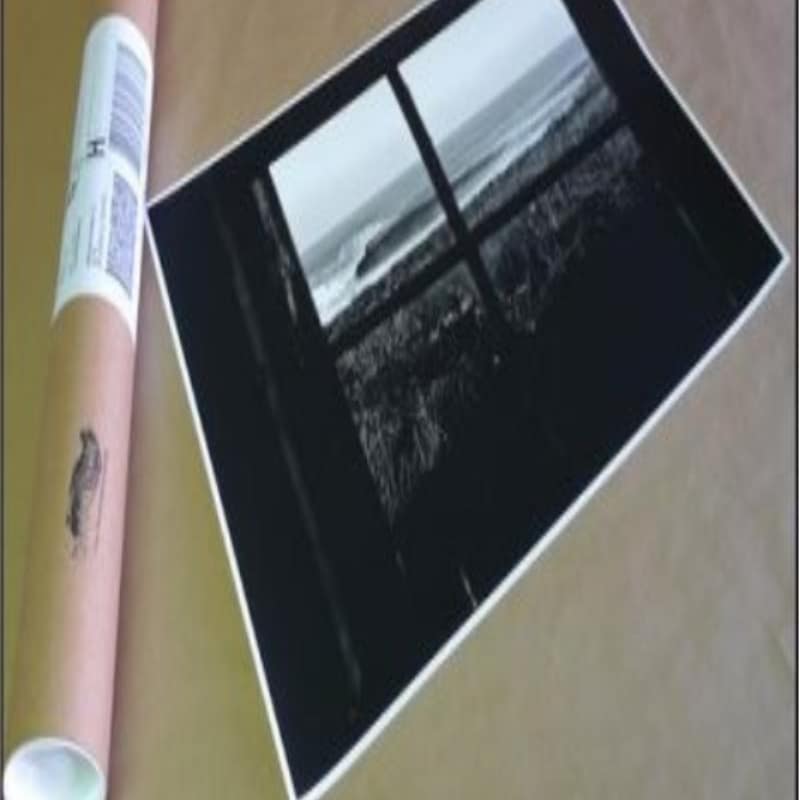
There are several reasons why it might be necessary to flatten rolled artwork. Perhaps you’ve purchased a painting or print while travelling and need to fit it safely into your luggage, or you’ve ordered artwork that arrived rolled in a shipping tube. Either way, once the artwork has been rolled for a while, it will naturally want to curl when you remove it from the tube.
I recently experienced this when I wanted to transport a favourite painting between two countries.
Once you reach your destination, what should you do with your rolled artwork?
If you’re taking it to a professional framer, as I did, the answer is simple: leave it safely rolled in its tube and let your framer handle it.
If you’d prefer to flatten rolled artwork yourself before framing, however, there are a few precautions to keep in mind.
Never Do These Things
To protect the quality and longevity of your print, never:
- Use an iron, even with protective layers between the iron and the print.
- Apply steam or moisture, as this can permanently damage the paper and affect the archival quality of the print.
- Scrape the back of the print over the edge of a table or any other surface to force it flat. While this technique may work with some rolled materials, it can permanently damage a fine art print.
How to Safely Flatten Rolled Artwork
- Work on a clean, smooth surface free of dust, grit, or debris that could scratch or mark the print.
- Wash and dry your hands thoroughly. Natural skin oils can transfer to the paper and affect the print.
- Handle the print only by its edges, avoiding contact with the printed image whenever possible.
- Place a sheet of smooth, heavyweight paper the same size (or slightly larger) than the print on your work surface.
- Lay the print image-side down on the protective paper.
- Starting at the edge closest to you, gently roll the print in the opposite direction of its natural curl. Roll it loosely—never tightly—as excessive pressure can bruise or damage the print.
- Carefully slide the rolled print and the protective paper back into the original shipping tube.
- Leave it in the tube for at least 30 minutes. Depending on how tightly the print was rolled, several hours may produce better results.
- Remove the print and lay it image-side up on a clean, flat surface.
- Keeping the protective paper in place, position several heavy, flat objects—such as books—on the corners and centre of the print. Leave them in place for several hours until the print has relaxed.
Not sure about how to display your artwork? Check here to learn the difference between canvas and frame.
Final Thoughts
Taking a little extra care when handling your fine art print will help preserve its appearance for years to come. If you’re ever unsure or the print is particularly large, your professional framer is the best person to flatten rolled artwork and prepare it safely. A few minutes of patience now will help ensure your artwork looks its very best once it’s framed and displayed.